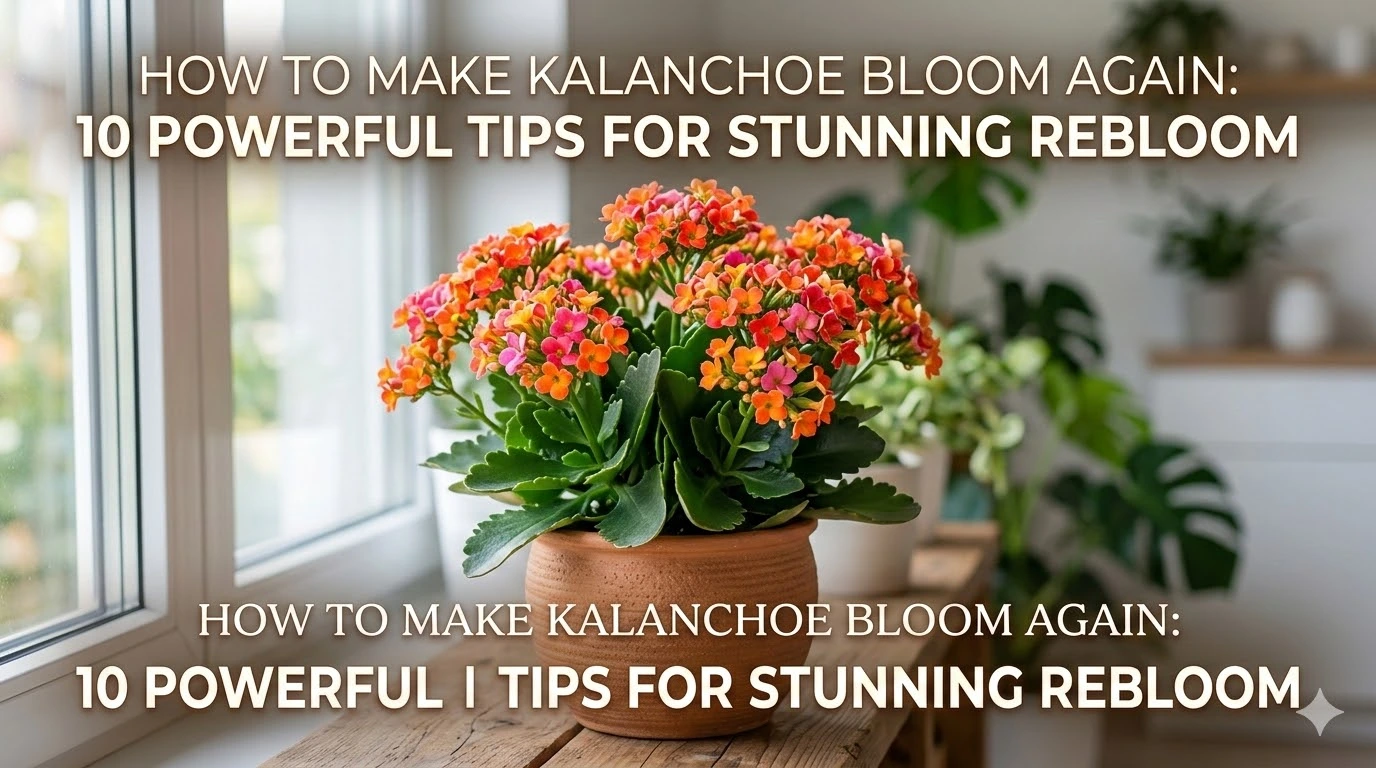
How to Make Kalanchoe Bloom Again: 10 Powerful Tips for Stunning Rebloom
If your once-beautiful kalanchoe plant has stopped producing flowers, you’re not alone. Many plant owners struggle with how to make kalanchoe bloom again after the first colorful display fades. Kalanchoe plants are popular succulents known for their clusters of vibrant flowers, but they require specific conditions to rebloom successfully.
The good news? With the right care routine, you can easily encourage your plant to flower again. Understanding why kalanchoe stops flowering, along with proper lighting, watering, and dormancy care, can transform your plant from leafy green back to bright blooms.
In this guide, you’ll learn how to get kalanchoe to flower again, fix issues with kalanchoe not blooming, and apply professional kalanchoe flowering tips used by horticulturists.
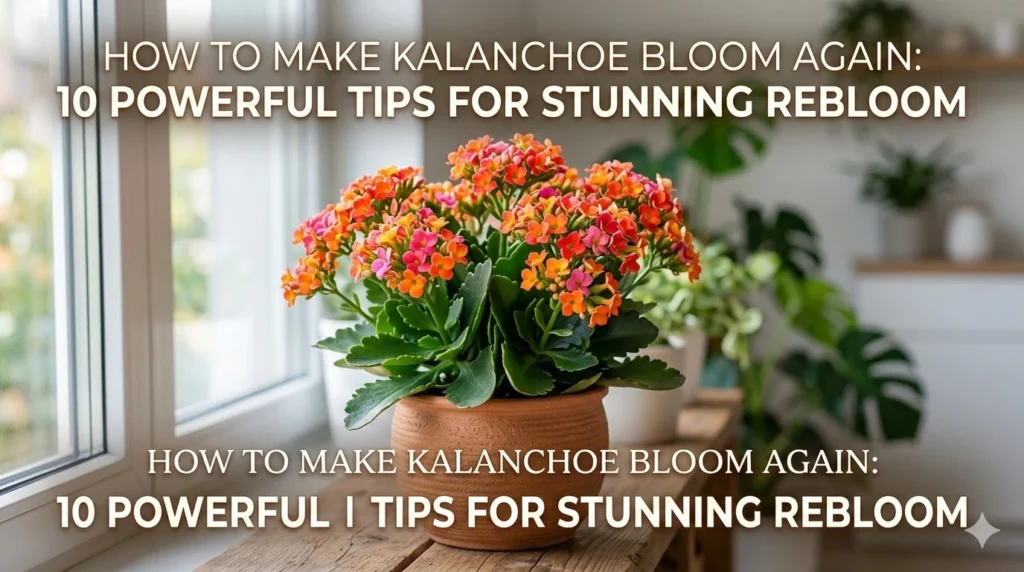
Why Kalanchoe Stops Blooming
Many gardeners worry when they notice their kalanchoe not blooming after the first flowering cycle. This is normal behavior, but several factors can prevent reblooming.
1. Lack of Proper Light
Kalanchoe plants need plenty of bright light. Without enough sunlight, they prioritize leaf growth instead of flowers.
2. No Dormancy Period
Kalanchoe plants require a rest phase with reduced light exposure to trigger new buds.
3. Overwatering
As succulents, kalanchoes store water in their leaves. Excess moisture can lead to root issues and prevent flowering.
4. Incorrect Temperature
Extreme heat or cold can interrupt the plant’s natural blooming cycle.
5. Nutrient Imbalance
Too much nitrogen fertilizer promotes foliage growth rather than flowers.
Understanding why kalanchoe stops flowering is the first step toward encouraging reblooming.
Understanding the Kalanchoe Flowering Cycle
Kalanchoe plants are short-day plants, meaning they bloom when nights are longer than days.
Typically, flowering occurs in:
- Late winter
- Early spring
In nature, the plant senses shorter daylight hours and begins forming buds.
To replicate this indoors, gardeners often manipulate light exposure. This is the key to kalanchoe rebloom care.
Light Requirements for Flowering
Proper lighting is the most important factor in how to get kalanchoe to flower again.
Ideal Light Conditions
Kalanchoe plants thrive in:
- Bright indirect sunlight
- 4–6 hours of direct sunlight daily
Best indoor locations include:
- South-facing windows
- East-facing windows
- Bright balconies
Too Little Light Signs
Your plant may show:
- Stretching stems
- Pale leaves
- No flower buds
Too Much Light
Excessive sunlight can cause:
- Leaf scorch
- Browning edges
Balancing light is essential for successful kalanchoe flowering tips.
Watering and Soil Impact on Blooming
Watering practices play a huge role in plant health and flowering.
Proper Watering Schedule
Water your kalanchoe:
- Once every 2–3 weeks
- Only when the top 2 inches of soil are dry
Overwatering is one of the most common reasons for kalanchoe not blooming.
Best Soil for Flowering
Use a well-draining soil mix designed for succulents.
A good mix contains:
- Cactus soil
- Perlite
- Sand
You can learn more in a detailed kalanchoe soil mix guide.
Signs of Water Problems
Overwatering:
- Yellow leaves
- Mushy stems
- Root rot
Underwatering:
- Wrinkled leaves
- Drooping plant
For watering details, see a kalanchoe watering guide.
If you notice black roots or soft stems, you may need to treat kalanchoe root rot quickly.
Temperature Conditions for Healthy Flowers
Temperature influences the flowering cycle more than many gardeners realize.
Ideal Temperature Range
Kalanchoe plants bloom best between:
60°F – 75°F (15°C – 24°C)
Avoid Extreme Conditions
Too cold:
- Frost damage
- Growth slowdown
Too hot:
- Bud drop
- Delayed flowering
Nighttime temperatures slightly cooler than daytime temperatures can encourage bud development.
Dormancy: The Secret to Reblooming
One of the most important steps in kalanchoe rebloom care is forcing a dormancy cycle.
After blooming, the plant naturally enters a rest phase.
During dormancy:
- Growth slows
- Flower production pauses
What Happens During Dormancy
The plant stores energy to produce new buds.
How Long Dormancy Lasts
Typically:
6–8 weeks
During this period:
- Reduce watering
- Limit light exposure
- Avoid fertilizing
Once the rest period ends, the plant can begin producing flowers again.
How to Make Kalanchoe Bloom Again: Step-by-Step Guide
Here is the exact process horticulturists recommend when explaining how to make kalanchoe bloom again.
Step 1: Remove Old Flowers
Once blooms fade:
- Cut off flower stalks
- Trim just above the leaves
This prevents energy waste.
Step 2: Allow a Rest Period
Reduce watering for about 4–6 weeks.
Place the plant in a slightly cooler location.
Step 3: Control Light Exposure
For 6 weeks, provide:
- 14 hours of darkness daily
- 10 hours of bright light
You can cover the plant with a box or place it in a dark room overnight.
Step 4: Resume Normal Care
After buds appear:
- Return to bright light
- Water normally
- Fertilize lightly
Step 5: Maintain Proper Conditions
Keep the plant:
- Warm
- Bright
- Slightly dry
Following these steps reliably solves the problem of kalanchoe not blooming.
Quick Steps to Make Kalanchoe Bloom Again
📌 Summary Box
Quick Steps to Make Kalanchoe Bloom Again
- Remove old flower stems
- Reduce watering for 4–6 weeks
- Provide 14 hours of darkness daily
- Give bright daylight for 10 hours
- Maintain temperatures around 65–75°F
- Resume watering when buds form
These steps mimic natural seasonal conditions and trigger blooming.
Common Mistakes That Prevent Blooming
Many beginner gardeners accidentally stop their plants from flowering.
1. Overwatering
Too much moisture weakens roots and prevents flower formation.
2. Insufficient Light
Without enough light, the plant cannot produce buds.
3. Skipping Dormancy
Some owners expect constant blooms. However, kalanchoe plants require rest periods.
4. Wrong Fertilizer
High nitrogen fertilizers encourage leaves rather than flowers.
5. Temperature Stress
Drafty windows or heating vents disrupt flowering cycles.
Avoiding these mistakes dramatically improves rebloom success.
Pro Tips for Stronger and Longer Blooms
Experienced growers follow additional kalanchoe flowering tips for spectacular results.
Use Balanced Fertilizer
Apply a 10-10-10 fertilizer once per month during growth.
Prune Regularly
Light pruning encourages compact growth and more flower stems.
Rotate the Plant
Turning the plant every week ensures even sunlight.
Keep Leaves Clean
Dust on leaves reduces light absorption.
Repot Every 2 Years
Fresh soil improves nutrient availability.
These professional strategies can significantly improve kalanchoe rebloom care.
Frequently Asked Questions
1. How long does it take for kalanchoe to bloom again?
Typically, kalanchoe plants rebloom within 6–10 weeks after starting the light control process.
2. Why is my kalanchoe growing leaves but no flowers?
This usually happens due to:
Too little light
Too much nitrogen fertilizer
Lack of dormancy
3. Do kalanchoe plants bloom more than once?
Yes. With proper care and light management, kalanchoe plants can bloom every year or even multiple times annually.
4. Can I force kalanchoe to bloom indoors?
Yes. Providing 14 hours of darkness daily for several weeks triggers flower bud formation indoors.
5. Should I fertilize my kalanchoe to encourage flowering?
Yes, but lightly. Use balanced fertilizer monthly during the growing season.
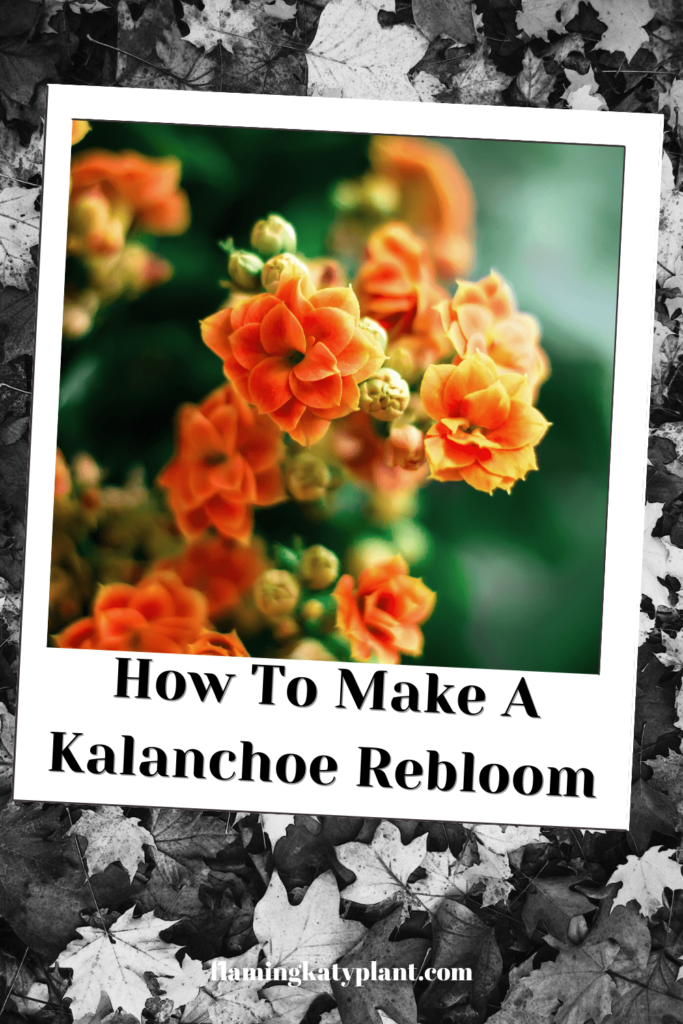
Learning how to make kalanchoe bloom again is easier than many gardeners think. The key is understanding the plant’s natural flowering cycle and recreating those conditions at home.
By providing the right balance of light, water, temperature, and dormancy, you can easily revive your plant’s colorful blooms year after year.
If your kalanchoe not blooming, don’t worry—most issues can be fixed by adjusting care routines. Follow the steps and kalanchoe flowering tips in this guide, and your plant should reward you with bright clusters of flowers once again.
With patience and proper kalanchoe rebloom care, your plant can continue to thrive and bloom beautifully for many seasons. 🌸